Researched, Curated, Fact-Checked Covid-19 Information for Osoyoos, BC, Neighbours and Neighbors
Author: Richard McGuire
Richard McGuire is an Osoyoos photographer who worked at the Osoyoos Times between 2012 and 2018, first as reporter and then as editor. He has a long career in journalism as well as research, communication and management at the House of Commons in Ottawa and in the federal government.
Today would have been Easter Eggstravaganza in Osoyoos.
Although B.C. Premier John Horgan has issued an “eggs-emption” to allow the Easter Bunny to continue its important work, the annual Easter festival in Osoyoos was called off some time ago.
If you’re missing this fun family festival, we have some video of last year’s Easter Eggstravaganza. Enjoy!
B.C. Premier John Horgan issued an “eggs-emption” allowing the Easter Bunny to continue its important work. (Credit: John Horgan Twitter)
A senior couple takes a quiet walk at Haynes Point (swiws) Provincial Park on Tuesday, April 7, one day before all BC provincial parks were closed. Physical distancing was easy with a wide roadway and the few people who were there were good about physical distancing. (Richard McGuire Photo)
Getting exercise and fresh air is essential for your physical and mental health, even during these times of physical distancing and isolation. More accurately, especially during these times when many people are under stress.
Walking is great exercise that most people can do. It restores the mind and body. I find I sleep better if I’ve had a chance to take a good walk.
But mixed messages from public health authorities have left many people confused about what they can and can’t do to get exercise.
Some interpret the message to “stay home” a little too literally as meaning you shouldn’t step outside your door. Worse, these people sometimes make it their mission to attack others who might go out for fresh air.
As my fridge and kitchen cupboards got emptier and emptier in recent days, I realized I would have to make another dreaded trip to the grocery store.
I’ve been trying to limit my grocery shopping to once every two weeks to avoid unnecessary exposure to other people. But I only managed to hold out for 11 days. My eggs, bread and other items were all gone. The remaining small amount of milk in my jug was starting to smell.
I’ve also been holding out on a few other items I’ve needed or wanted. Prescriptions down to the last pills. A needed hardware item. And, since I don’t intend to give up all alcohol until a vaccine is available, a trip to the liquor store.
The U.S. Centers for Disease Control and Prevention (CDC) is now providing advice to people on how to wear homemade masks. (Credit: CDC)
Health agencies in Canada and the U.S. have now done a 180-degree turn on their previous advice that healthy people should not wear homemade face masks.
Dr. Theresa Tam, Canada’s public health officer, in the past has opposed the use of homemade masks, arguing that they give people a false sense of security and that people might spread infection when they remove the masks. She continues to make those arguments.
This scanning electron microscope image shows SARS-CoV-2 (yellow)—also known as 2019-nCoV, the virus that causes COVID-19—isolated from a patient in the U.S., emerging from the surface of cells (blue/pink) cultured in the lab. Credit: NIAID-RML
With a Covid-19 vaccine likely still many months away, there is debate about whether people who have had the illness and recovered have immunity and can escape the isolation the rest of us face.
In the United Kingdom these days, some are proposing that “immunity passports” could be provided to people who are found by testing to have the antibodies in their blood that might prevent them from getting reinfected and spreading the disease.
It’s an attractive idea on the surface. Many of the people infected are healthcare workers and they are urgently needed back at work. Would they need the same level of protection if they’ve already had the virus? Some see it as a way to restore the economy with recovered workers, even as most of the rest of the population remains in isolation.
The Osoyoos Times and Oliver Chronicle announced Thursday that they are suspending their print editions starting next week. They will continue publishing their online editions. (Photo: Richard McGuire for the Osoyoos Times)
Sadly, the Osoyoos Times and Oliver Chronicle both announced Thursday that they are suspending their print editions, though they will continue to publish online.
To my knowledge, next week will be the first time since the Osoyoos Times was started by Stan Stodola in early 1947 that the Times has not published a paper edition.
There’s a growing international movement advocating the use of homemade face masks in the fight against the spread of Covid-19.
As pointed out in a story last week about masks on OsoyoosPersists.ca, the official line from such respected organizations as the Public Health Agency of Canada (PHAC), the U.S. Centers for Disease Control and Prevention (CDC) and the World Health Organization (WHO) is that the general public should not wear masks unless they are infected or are caring for someone with the virus.
This photograph by local photographer Lori Jantz, titled “Grizz” is one in a mini exhibition in the lead up to a Virtual Gallery showing of the Osoyoos Photography Club’s exhibition Focus 2020. That show was originally to run in April at The Art Gallery Osoyoos. (Lori Jantz Photo)
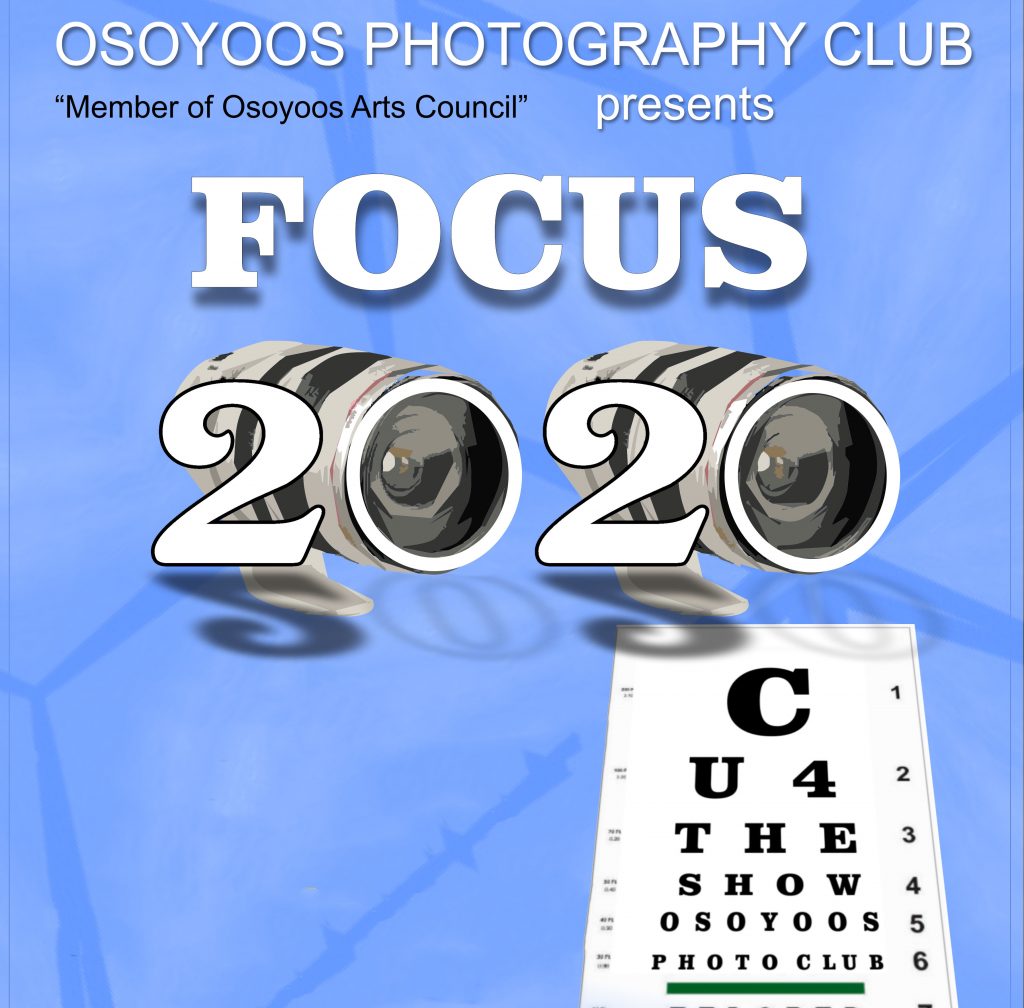
The Osoyoos Photography Club (OPC) had been planning an exhibition, Focus 2020, to be held at The Art Gallery Osoyoos in April.
With the gallery closed due to the coronavirus pandemic, the club is going ahead with a “virtual” exhibition in the Virtual Gallery on OsoyoosPersists.ca.